

 Tweet
Tweet
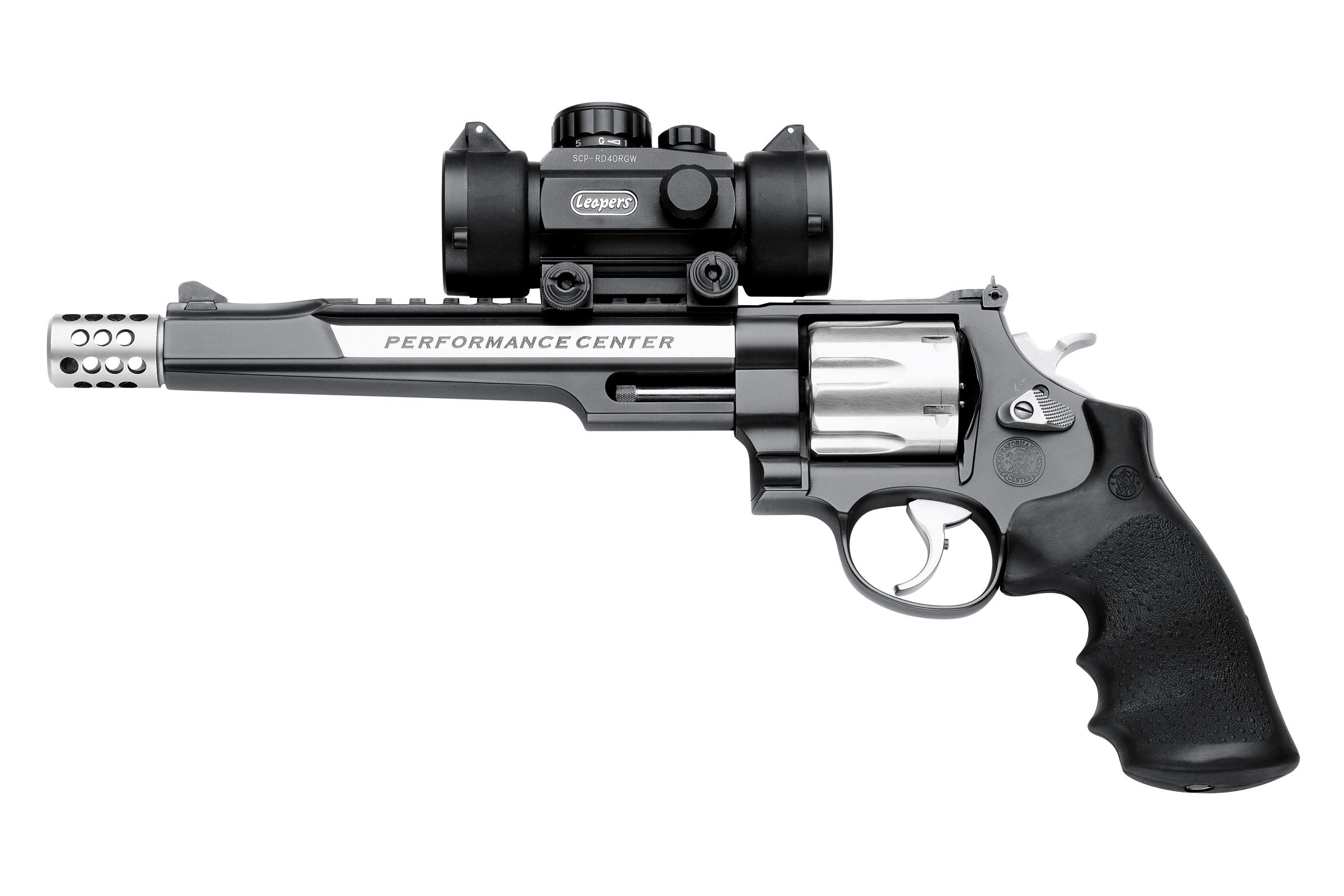
So, logically, it's hard to explain; but I keep seeing instances where ported revolvers are showing higher velocities compared to their non-ported counterparts.
Has anyone else noticed this?
I understand due to barrel and cylinder fitment, there will be some variation between revolver velocities, but it does seem like there is a consistent trend.
Perhaps porting reduces the pressure needed to push the air out in front of the bullet? It's a stretch, but all I can think of.
Here are some examples:
Bullet by the inch - Notice the velocities of the 4" non-ported mt gun and the 3" ported Mt gun. Even with one inch less, the ported version produces similar and sometimes better velocites compared to the 4" non-ported. (bottom of page) http://www.ballisticsbytheinch.com/44mag.html
Gun-Test.com review - The taurus tracker which has a slightly shorter barrel and porting, matched and occasionally bested the M69 with a non-ported .25" longer barrel. (image either on the right or bottom of page shows velocities) https://www.gun-tests.com/issues/26_...l#.XdGzNkZKhO9
Forum post - Post comparing a 2" ported vs non-ported revolver. The ported had slightly higher velocities on average. https://www.thehighroad.org/index.ph...barrel.352178/
Jerry Miculek comparing 329pd's - Comparing his ported 329 to a stock 329. His ported 329 had higher velocites. (1:50-2:50) https://www.youtube.com/watch?v=v5alzzxnUKs
The argument that all of the ported examples above had tighter fitment between the cylinder and barrel either due to being shot more or luck of the draw from the factory, becomes less likely with more examples. However, this sample size is small, so it doesn't prove anything. I didn't seek the above examples out, just something I noticed today while reading. There may be many examples showing the opposite, I just haven't seen them yet.
What do you guys think?
Has anyone else noticed this?
I understand due to barrel and cylinder fitment, there will be some variation between revolver velocities, but it does seem like there is a consistent trend.
Perhaps porting reduces the pressure needed to push the air out in front of the bullet? It's a stretch, but all I can think of.
Here are some examples:
Bullet by the inch - Notice the velocities of the 4" non-ported mt gun and the 3" ported Mt gun. Even with one inch less, the ported version produces similar and sometimes better velocites compared to the 4" non-ported. (bottom of page) http://www.ballisticsbytheinch.com/44mag.html
Gun-Test.com review - The taurus tracker which has a slightly shorter barrel and porting, matched and occasionally bested the M69 with a non-ported .25" longer barrel. (image either on the right or bottom of page shows velocities) https://www.gun-tests.com/issues/26_...l#.XdGzNkZKhO9
Forum post - Post comparing a 2" ported vs non-ported revolver. The ported had slightly higher velocities on average. https://www.thehighroad.org/index.ph...barrel.352178/
Jerry Miculek comparing 329pd's - Comparing his ported 329 to a stock 329. His ported 329 had higher velocites. (1:50-2:50) https://www.youtube.com/watch?v=v5alzzxnUKs
The argument that all of the ported examples above had tighter fitment between the cylinder and barrel either due to being shot more or luck of the draw from the factory, becomes less likely with more examples. However, this sample size is small, so it doesn't prove anything. I didn't seek the above examples out, just something I noticed today while reading. There may be many examples showing the opposite, I just haven't seen them yet.
What do you guys think?





Comment