

 Tweet
Tweet
Gents,
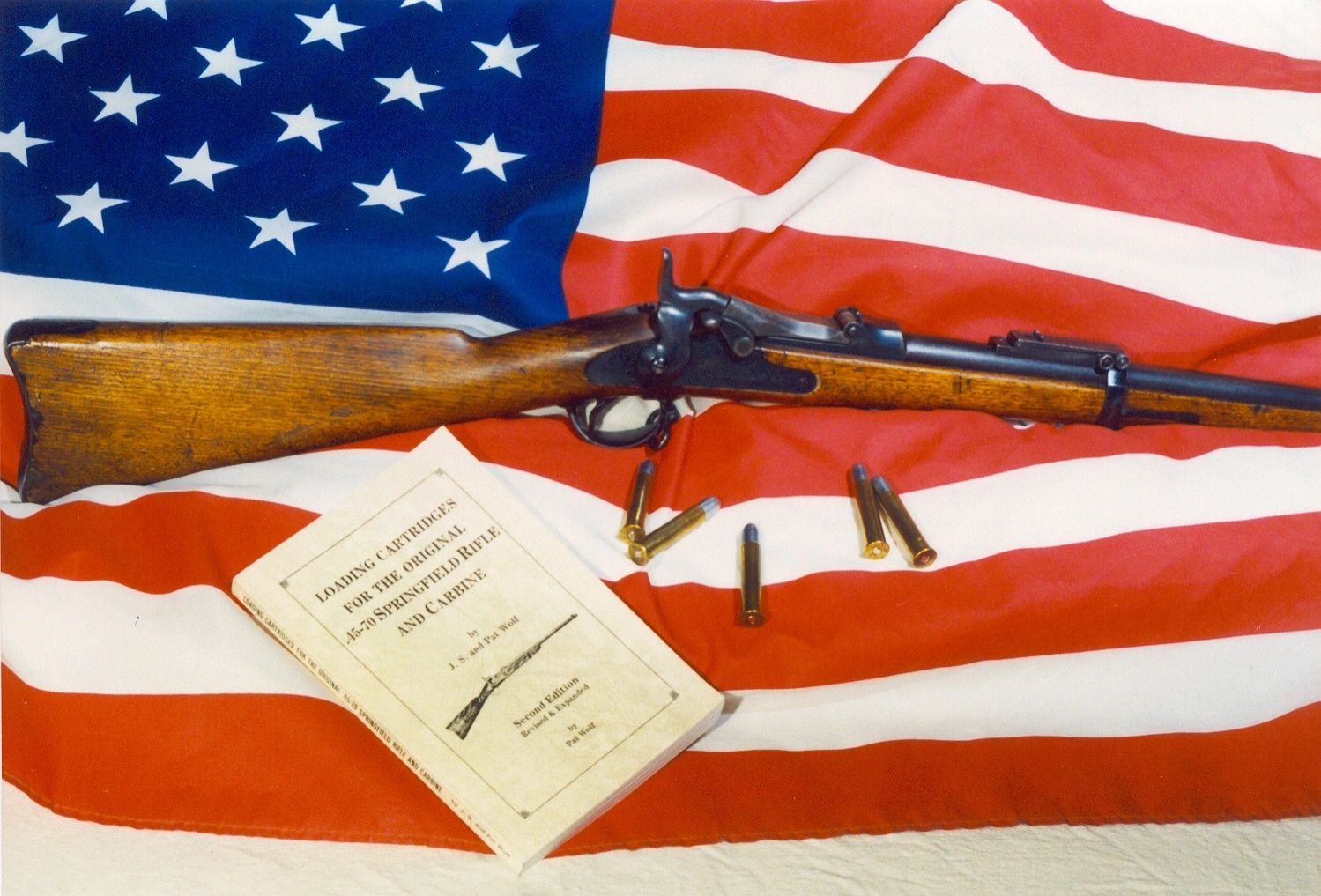
I was hoping to get the opinion of more experienced bullet casters and shooters of the US Trapdoor Springfield 45-70.
I have been shooting my trapdoor using the Lee .459 hollow base 405 grain bullet (1:20 ratio lead to tin). With that bullet I get mediocre accuracy (18" at 100 yards). 500 grain bullets swaged to .459 tumble. I've long suspected the bore was oversized (common in the trapdoors).
I'd like to purchase a custom mold to match the actual bore diameter for this rifle.
I took an oversized soft lead slug which I rolled to a diameter of .463. I coated the bullet in layout fluid (blue). I then hammered the slug through the bore.
Now the Trapdoor rifling is three lands and grooves of equal width, making it impossible to get groove width off a slug with standard calipers. Measuring as best I can with my calipers I'm getting about .462. But again that's across lands and grooves and not a true measurement. Looking at the slug you can see the wear in the layout fluid was not scraped off in the grooves and the surface of the slug in the grooves looks like it had a light contact with the barrel wall.


The question is what would be the best diameter for this mold or what should my next step be to find out?
I was hoping to get the opinion of more experienced bullet casters and shooters of the US Trapdoor Springfield 45-70.
I have been shooting my trapdoor using the Lee .459 hollow base 405 grain bullet (1:20 ratio lead to tin). With that bullet I get mediocre accuracy (18" at 100 yards). 500 grain bullets swaged to .459 tumble. I've long suspected the bore was oversized (common in the trapdoors).
I'd like to purchase a custom mold to match the actual bore diameter for this rifle.
I took an oversized soft lead slug which I rolled to a diameter of .463. I coated the bullet in layout fluid (blue). I then hammered the slug through the bore.
Now the Trapdoor rifling is three lands and grooves of equal width, making it impossible to get groove width off a slug with standard calipers. Measuring as best I can with my calipers I'm getting about .462. But again that's across lands and grooves and not a true measurement. Looking at the slug you can see the wear in the layout fluid was not scraped off in the grooves and the surface of the slug in the grooves looks like it had a light contact with the barrel wall.
The question is what would be the best diameter for this mold or what should my next step be to find out?








Comment